The Power Fantasy - Heros are the nuclear option
-03.webp)
Occasionally, a comic completely rewires how you think about heroes and power. Power Fantasy hit me like that—a total surprise, taking a genre I thought I had figured out and flipping it on its head. Superheroes aren't supposed to be this complex, this raw, or this dangerous. But this comic turns the concept of heroism into something else entirely, and it's why I'm convinced this story is destined for an HBO Max series. I'd watch this over the boys in a heartbeat.
I've read enough superhero stories to see the same arcs repeat—good versus evil, powers used to save the world, and some version of a happy ending where the hero triumphs and all is well. But here, Kieron Gillen and his team created something fresh. In Power Fantasy, the heroes aren't saving the day with their powers; they're just trying to avoid making things worse.
As Gillen wrote, "If the superheroes have the power of a nuclear weapon, they're not good for anything. All nuclear bombs can do is kill everyone."That single line distills the core of what Power Fantasy does so well: it presents power as something far more dangerous than liberating. This isn't a world where powers are used to save the day—they're a potential catastrophe waiting to happen, and the heroes know it.
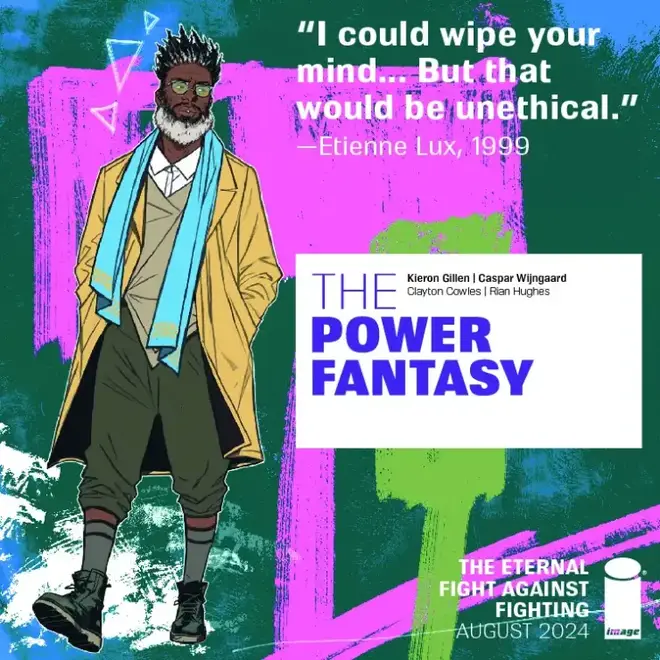
Then there's Etienne Lux. If you're not familiar with this character yet, let me introduce you to the hero blerds have longed for. He's the kind of hero we don't often see—stoic, intricate, and burdened by the weight of his immense abilities. In a world where power can obliterate everything, Lux stands at the epicenter, striving to prevent things from spiraling out of control. One of his most poignant moments occurs during the broadcast scene where he confesses: "I just killed the president of the United States of America... and everyone involved in the development of this ill-considered strike on Haven." This isn't the act of a superhero saving the day—it's a calculated, morally ambiguous decision to avert a much larger catastrophe.
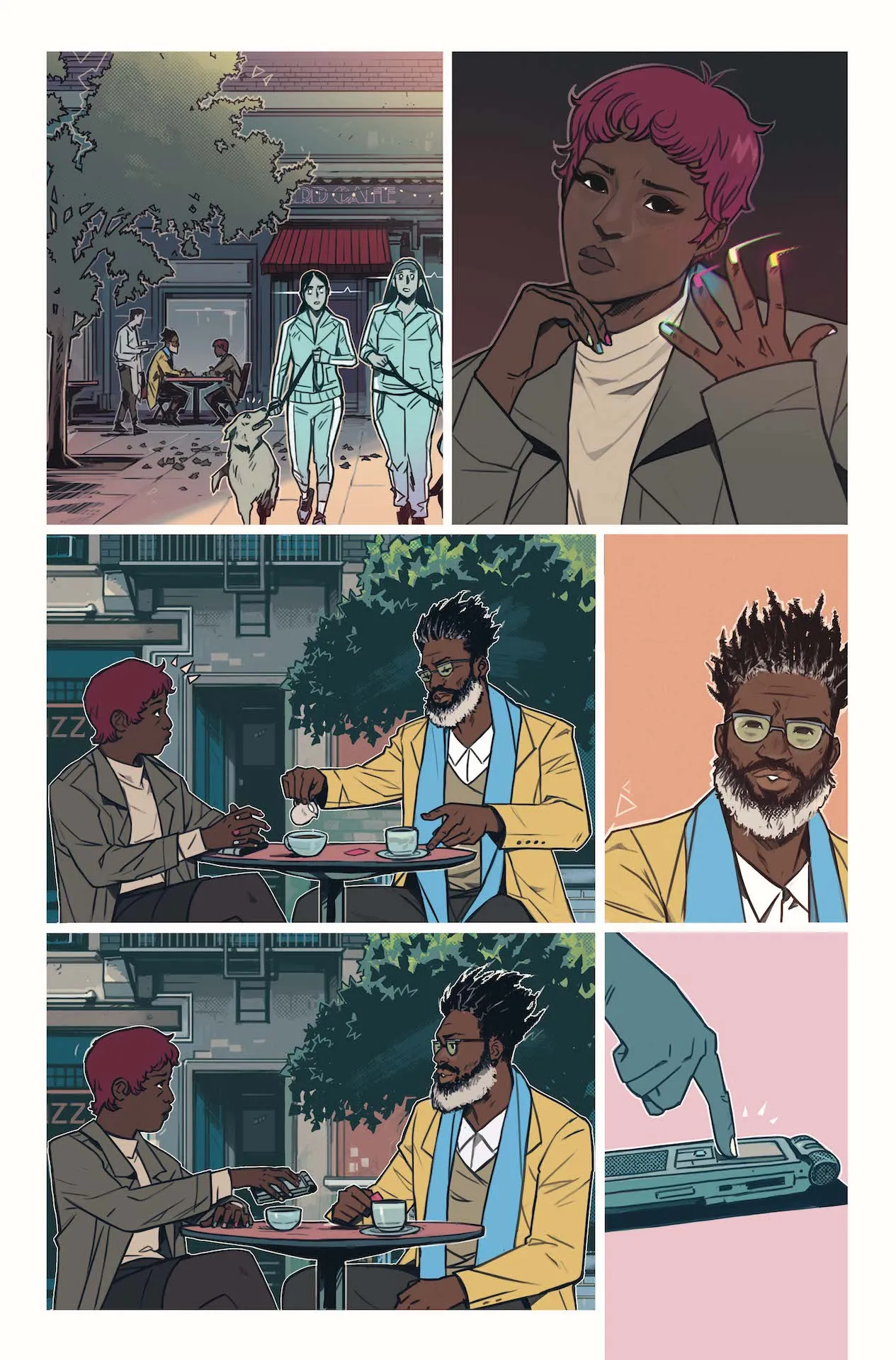
This is different from the usual superhero fare. Lux's actions are laced with a sense of burden rather than triumph. He doesn't revel in his powers; he sees them as a dangerous necessity. The weight of his decisions feels almost palpable, making him such a standout character.
But what really impressed me was the comic's approach to dialogue and design. The rooftop scene with Lux is a masterclass in tension: "If a man can levitate a continental shelf, he can extract two people... but I don't trust him," he says. Lux's talk about power, not with awe but with fear and doubt, mirrors the comic's more prominent theme—power is dangerous, even for those who wield it.
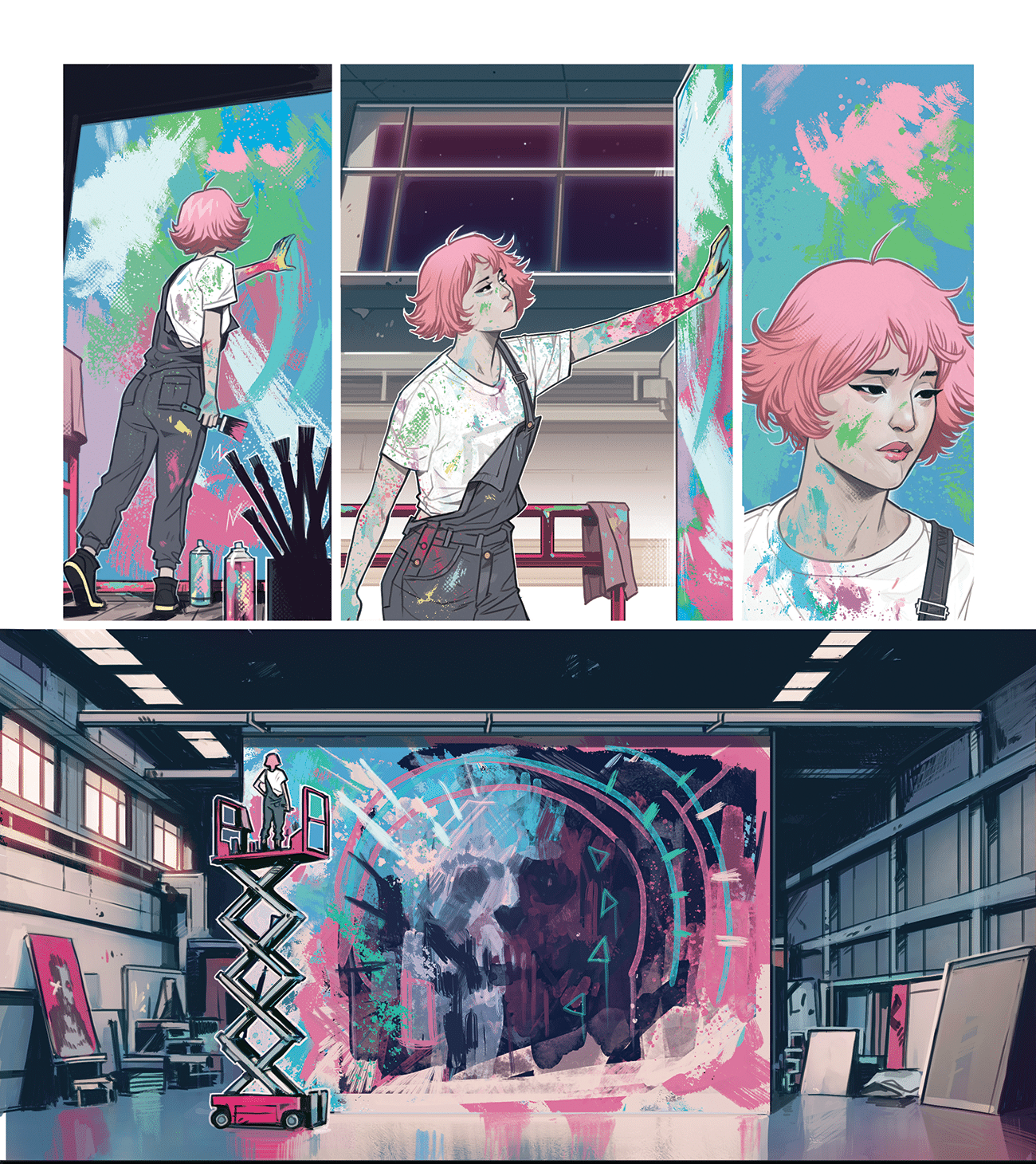
The creative design, too, brings these ideas to life. The scenes are framed to make the characters look isolated, even when together, highlighting how the Atomics are always set apart by their abilities. The use of color, especially in the Tokyo scenes with Mia Bella, represents the mental and emotional strain these characters endure. Mia, for example, quietly struggles with her powers, saying, "I promise I won't explode," but you can sense her fear that she might not be able to keep that promise.
And I'm excited. Power Fantasy feels like the kind of story that will explode beyond the pages of a comic book. It's cinematic in its scope, emotionally in-depth and innovative in handling power and heroism. I'm calling it now—this universe will make its way to the big screen. It's only a matter of time before we see Etienne Lux up there, the stoic and complex figure he is, grappling with power in ways we don't often see from our heroes.
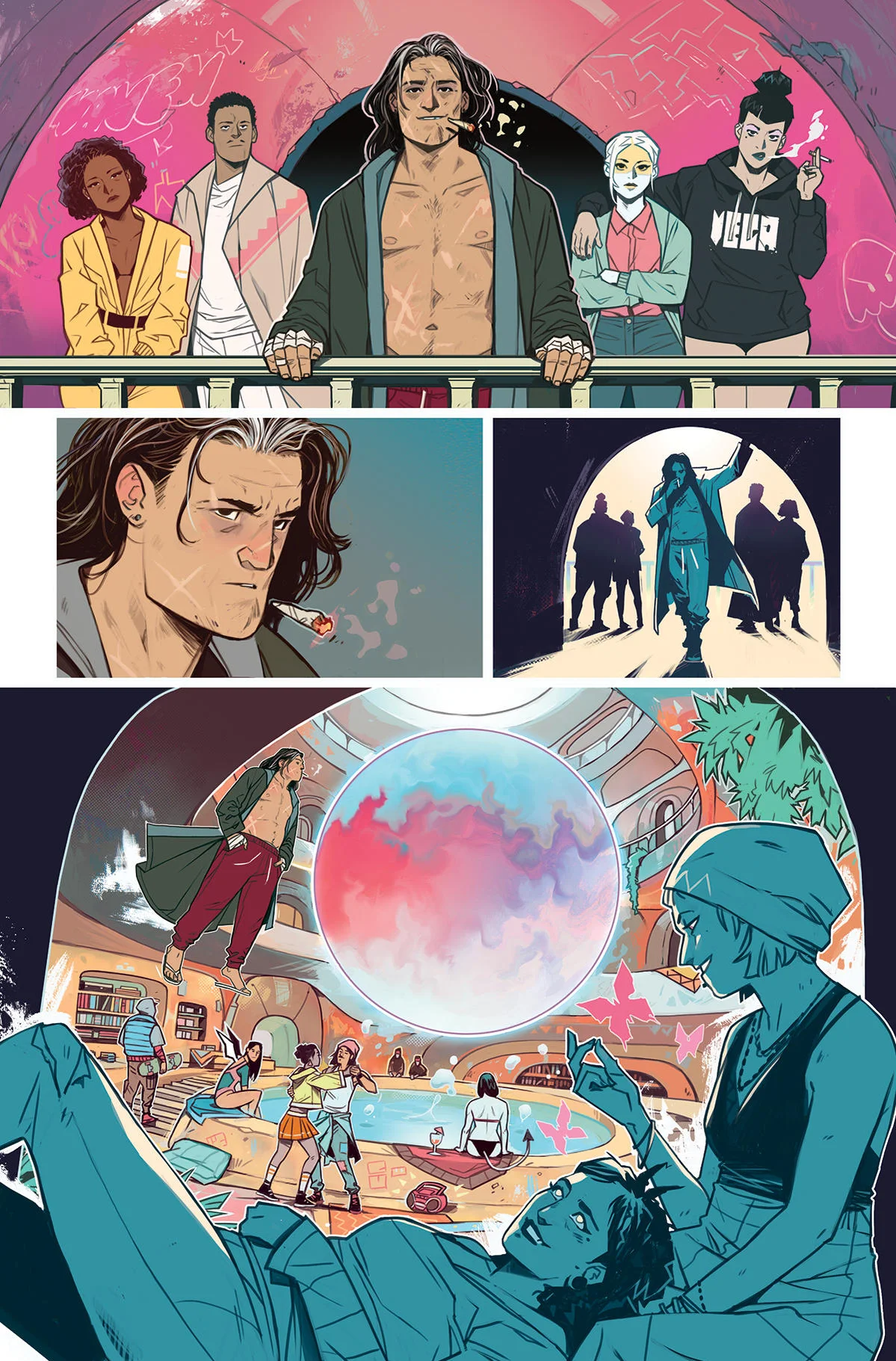
This comic has me hooked, and not just because it breaks the mold—it feels like the start of something big that will define the superhero genre for a new generation.


